Current condition
Record filled-pouch weight, shape, surface condition, wrinkles and product distribution, with relevant drawing, recipe or artwork revisions. Note the arrival condition and what each sample is intended to demonstrate.
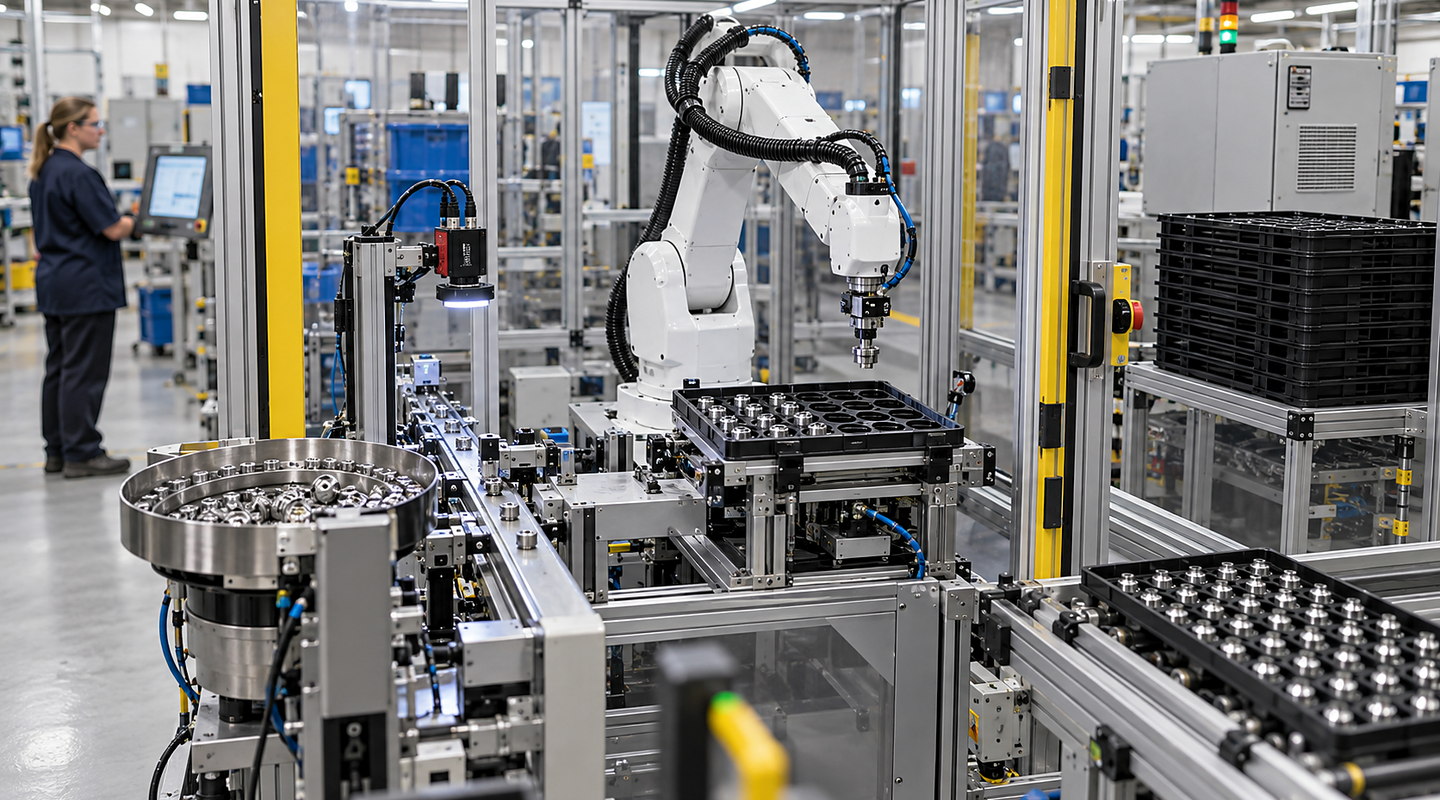
How should part, product and process variation for robotic pouch picking & transfer be investigated before specifying robotic pouch handling?
Assess filled pouches across the intended weight, shape and surface range, including normal wrinkles and product distribution. Record the arrival conditions, acceptable grip areas and required placement so each sample represents a defined handling condition.
Keep normal pack variation separate from missing pouches, damaged seals and interrupted cycles. Carry the examined range and unresolved cases into the run-off plan.
Plan robotic pouch handling around your parts, process, cycle time, tooling, recovery and acceptance criteria. Discuss the highest-risk feasibility questions with Oxford Industrial Automation. Use this guide to resolve part, product and process variation for robotic pouch picking & transfer before it limits the final system.
Discuss your application
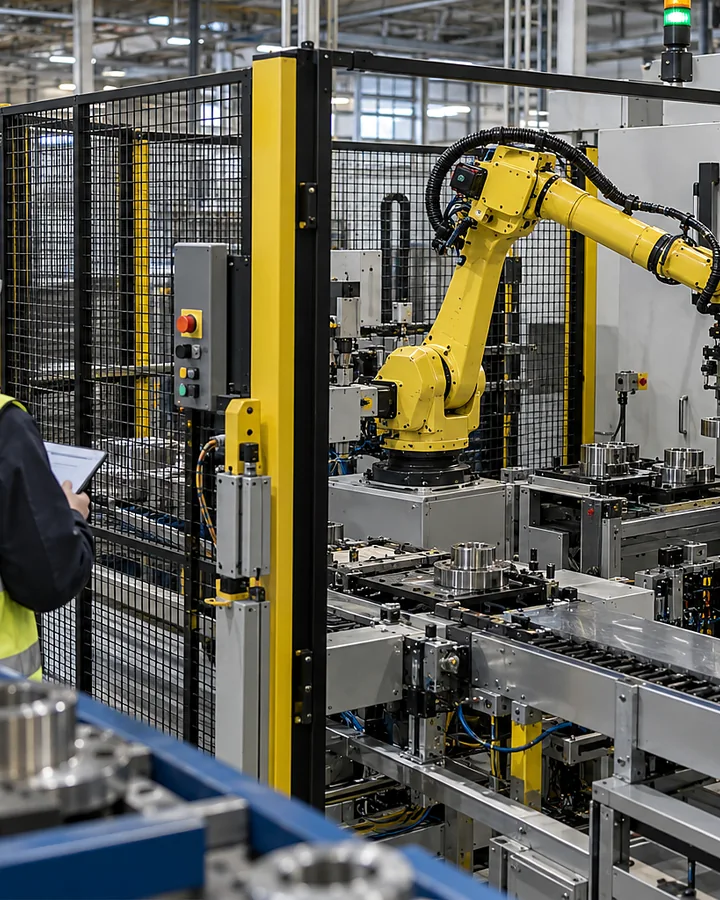
Record filled-pouch weight, shape, surface condition, wrinkles and product distribution, with relevant drawing, recipe or artwork revisions. Note the arrival condition and what each sample is intended to demonstrate.
Choose representative normal and difficult packs within the intended production range. Identify missing-pouch, damaged-seal and interrupted-cycle cases separately, with an assessed method for reviewing their required response.
For each difference, identify its effect on pickup, transfer, release or the required placement. Record the grip areas and conditions examined and any remaining uncertainty rather than extending a result to every pouch variant.
For Part, Product and Process Variation for Robotic Pouch Picking & Transfer: Cell feasibility study, describe the current position, required outcome, acceptable limits and known exceptions for part, product and process variation for robotic pouch picking & transfer. That lets us compare options against your real production rather than one nominal value.
For Part, Product and Process Variation for Robotic Pouch Picking & Transfer: Cell feasibility study, describe the current position, required outcome, acceptable limits and known exceptions for arrival pattern and presentation. That lets us compare options against your real production rather than one nominal value.
For Part, Product and Process Variation for Robotic Pouch Picking & Transfer: Cell feasibility study, describe the current position, required outcome, acceptable limits and known exceptions for required cycle and production pattern. That lets us compare options against your real production rather than one nominal value.
For Part, Product and Process Variation for Robotic Pouch Picking & Transfer: Cell feasibility study, describe the current position, required outcome, acceptable limits and known exceptions for tooling, sensing and process interfaces. That lets us compare options against your real production rather than one nominal value.
For Part, Product and Process Variation for Robotic Pouch Picking & Transfer: Cell feasibility study, describe the current position, required outcome, acceptable limits and known exceptions for operator access, recovery and changeover. That lets us compare options against your real production rather than one nominal value.
For Part, Product and Process Variation for Robotic Pouch Picking & Transfer: Cell feasibility study, describe the current position, required outcome, acceptable limits and known exceptions for run-off criteria and production evidence. That lets us compare options against your real production rather than one nominal value.